| Muby Chemicals and a few more manufacturing units are in Mubychem Group, the pioneer manufacturer of Zinc Chloride, Calcium Chloride, Potassium Chloride, Sodium Acetate, Sodium Thiosulphate, Ammonium Chloride, & Pharmaceutical Chemicals in India since 1976. Currently we have manufacturing facilities spread across Western IndiaNo other vendor in the world knows Ammonium Chloride any better than we do. We are exporters to all the countries across the globe. |
| The unit and/or associates are (FDA) GMP Approved, ISO-9001:2008 Certificate, "REACH" Pre-registered' ISO-22000:2005, Kosher Certified, Halal Certified, HACCP |
 ----------
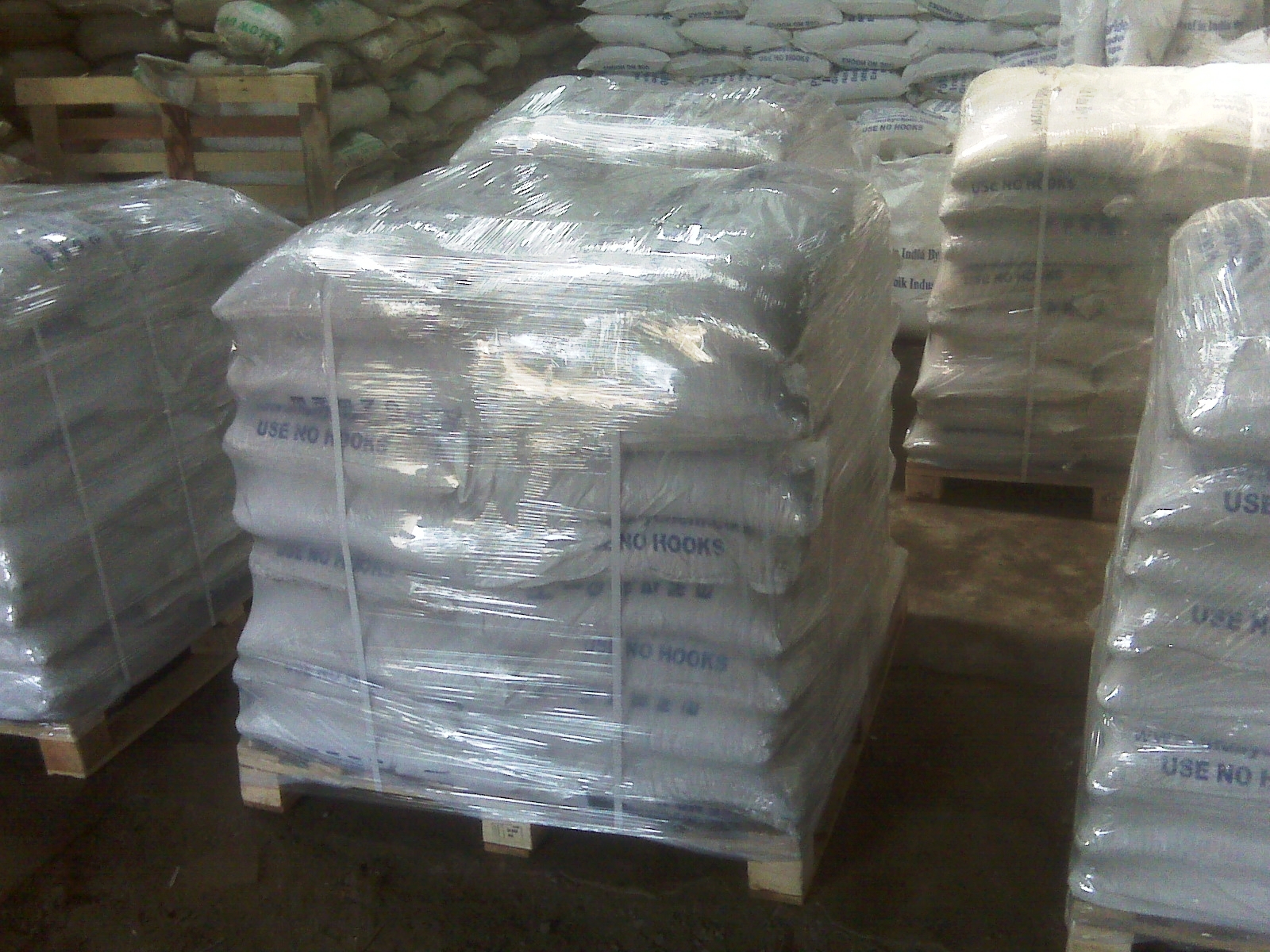
Ammonium Chloride Manufacturers, Uses & Applications
CAS Number 12125–02–9
Ammonium Chloride Manufacturers
Ammonium Chloride Bricks Tablets Granules
Ammonium Chloride BP USP IP ACS LR AR Analytical Reagent FCC Food Grade Manufacturers
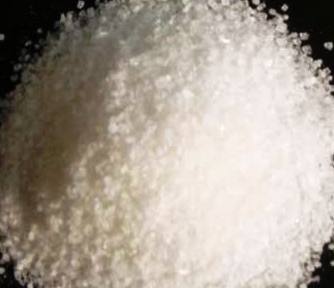
Ammonium chloride is sold in bars or briquettes, bricks or lata at hardware stores for use in cleaning the tip of a soldering iron and can also be included in solder as flux. A principal use of ammonium chloride has been as a fluxing agent for hot dip galvanizing of steel and in the refining of zinc. It provides fluxing action by reacting with molten zinc to form a stable melt containing zinc-ammonium chloride.
It is used as it is or in compound fertilizer. It has higher concentration of Nitrogen than ammonium sulphate. Nitrification is less rapid than in urea or ammonium sulphate and this means N losses are lower. Although it is better known as rice fertilizer, it has been tested and used on other crops like wheat, barley, sugarcane, maize, fiber crops etc. Of particular note is its use on palm trees to increasing the yield of Copra per tree.
Other uses include a feed supplement for cattle, in hair shampoo, in textile printing, in the glue that bonds plywood, as an ingredient in nutritive media for yeast, in cleaning products, and as cough medicine. In cough medicine its expectorant action is caused by irritating action on the bronchial mucosa. This causes the production of excess respiratory tract fluid which presumably is easier to cough up. It is also used in an oral acid loading test to diagnose distal renal tubular acidosis. In Desi-daru making ( locally brewed alcohol ) it is used for enhancing the fermentation. Most Ammonium chloride Lata makers give only 5-20% Ammonium chloride mixed with common salt.
It is used in snow treatment, namely on ski slopes at temperatures above 0 °C, to harden the snow and slow its melting.
Found in nature and also produced industrially, it has other important uses too. These include lowering the melting temperatures of certain metals for manufacturing processes, and as a fertilizer, anti-caking agent and ingredient in personal care products and pharmaceuticals
In several countries Sal Ammoniac is used to spice up liquorices-type dark candies (Finland's Salmiakki, Sweden's Lakrisal, the Netherlands' Zoute drop and the Danish Dracula Piller are popular examples), and as a flavouring for vodkas.
Other uses include electrolyte for plating baths and/or batteries; fertilizer, personal care product formulations, pharmaceuticals etc.
It is used as an expectorant, diuretic and systemic acidifying agent. It is used in the treatment of severe metabolic alkalosis, to maintain the urine at an acid pH in the treatment of some urinary-tract disorders or in forced acid diuresis.
Ammonium salts are an irritant to the gastric mucosa and may induce nausea and vomiting.
Electroplating Use: These days, there are three primary types of acid zinc plating baths: straight ammonium chloride, straight potassium chloride and mixed ammonium chloride/potassium chloride. Acid zinc plating systems have several advantages over alkaline cyanide and alkaline non-cyanide zinc plating systems except that in acid zinc plating, the electrolyte is extremely corrosive.
Ammonium chloride zinc plating. The ammonium chloride bath is the most forgiving of the three major types of acid zinc plating because of its wide operating parameters. The primary drawback of this system is the high level of ammonia, which can cause problems in wastewater treatment. Ammonia acts as a chelator, and if the rinse waters are not segregated from other waste streams, removal of metals to acceptable levels using standard water treatment practices can be difficult and expensive. Ammonia is also regulated in many communities.
Dry Cell or Batteries: Ammonium Chloride is a component of dry cell batteries, little storehouses of energy that power so many of our electrical devices. Batteries permit us to use electricity even when we are far from an electrical point. With battery power we can have music while we jog down the street, light while we camp on a moonless night, and the convenience and accuracy of a pocket calculator.
Galvanizing, Soldering and Tinning Fluxes: Ammonium Chloride is used in fluxes for galvanizing, soldering and tinning. Its ability to remove oxides and salts from metal surfaces ensures good metal to metal bonding. It has the ability to attack metal oxides. This reaction is relevant to the utility of NH4Cl as a flux for soldering - it dissolves oxide coatings exposing the clean metal surface.
You may check Ammonium Chloride Manufacturers
Ammonium chloride manufacturers at:
MUBY CHEMICALS
S-8, SARIFA MANSION, 2ND FLANK ROAD, CHINCHBUNDER, MUMBAI 400009, INDIA
TEL: (OFFICE) 91-22-65290118.
e-mail: info@mubychem.com

Copyright and Usual Disclaimer is Applicable.
Last updated: 22-04-2026
Zinc Chloride --- Potassium Chloride --- Calcium Chloride
Ammonium Chloride IP BP USP FCC Food ACS Reagent Grade Manufacturers Suppliers.
Exporters to USA Canada UAE Europe South Africa Tanzania Kenya Uganda Egypt Nigeria Turkey Brazil Chile Argentina Dubai Cameroon Guatemala Mexico Peru ---
IT IS NICE TO BE IMPORTANT BUT ….... BUT IT IS MORE IMPORTANT TO BE NICE